
Germany and Australia · Language
Schmetterling: German can sound beautiful too
Updated 20 August 2024
Learning German can sometimes feel like a daunting task, especially with its long compound words and challenging grammar. However, one word that stands out for its beauty is “Schmetterling,” which means “butterfly.” In this article, we’ll explore the charm of this word, its significance, and why German can sound beautiful too.
The Beauty of “Schmetterling”
“Schmetterling” may not roll off the tongue as easily as its English counterpart, but it has a unique charm. The word is a perfect example of how German can be both descriptive and poetic. The soft “Sch” sound at the beginning and the lilting “ling” at the end give it a musical quality that is pleasing to the ear.
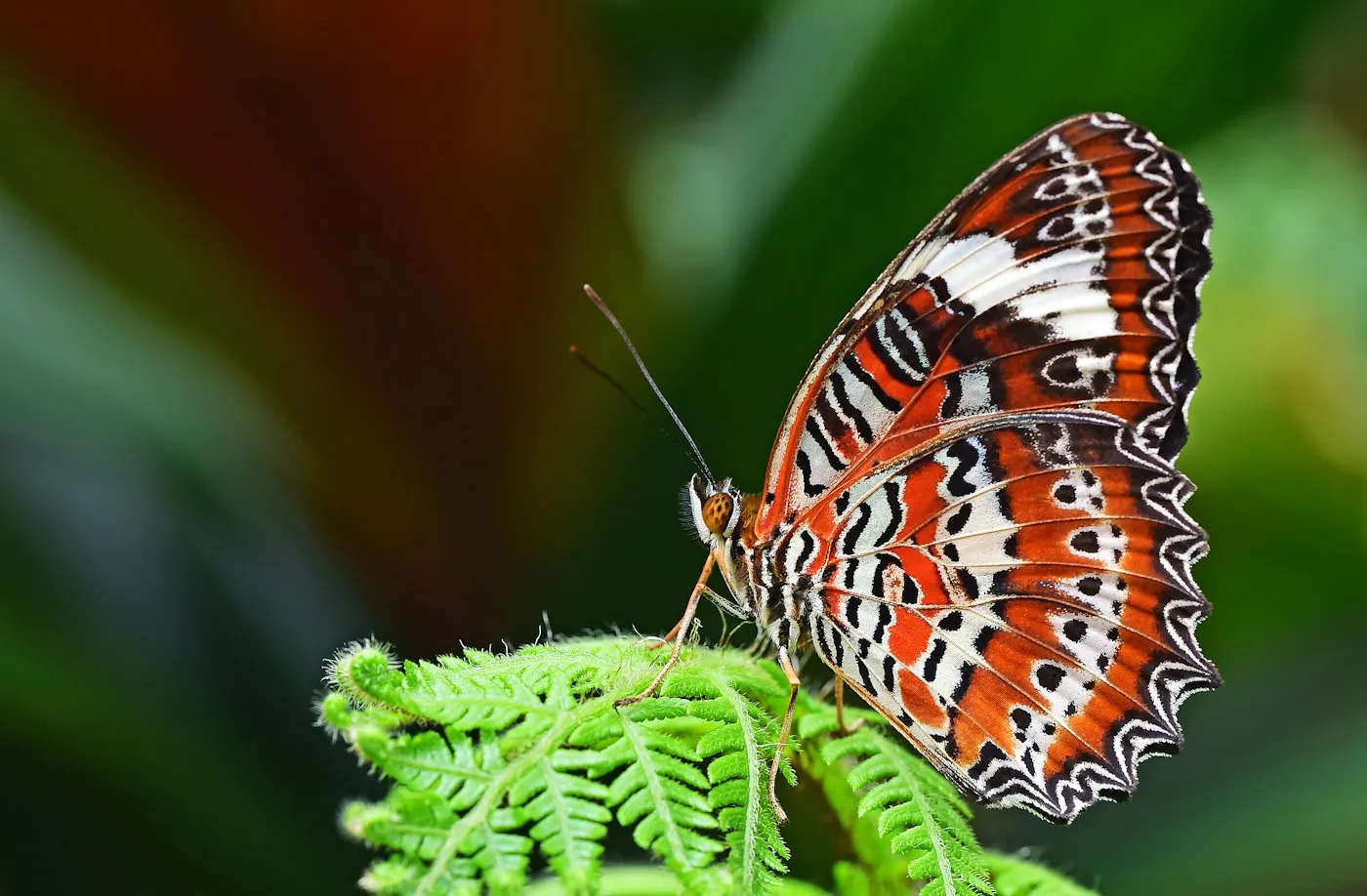
Photo: David Clode on Unsplash
Schmetterling in Australia
Interestingly, “Schmetterling” has found its way into the hearts of German speakers in Australia. The country is home to a diverse range of butterflies, and the German-speaking community often uses this beautiful word to describe these vibrant creatures. When walking through Australia’s lush landscapes, you might hear someone exclaiming, “Ein Schmetterling!” as a butterfly flutters by.
Bedeutung Schmetterling Tattoo
In recent years, butterfly tattoos have gained popularity worldwide, and the German word “Schmetterling” has become a sought-after tattoo design. The meaning of a butterfly tattoo varies, but it often symbolizes transformation, freedom, and beauty. For German speakers and enthusiasts, a “Schmetterling” tattoo can add an extra layer of cultural significance and uniqueness.
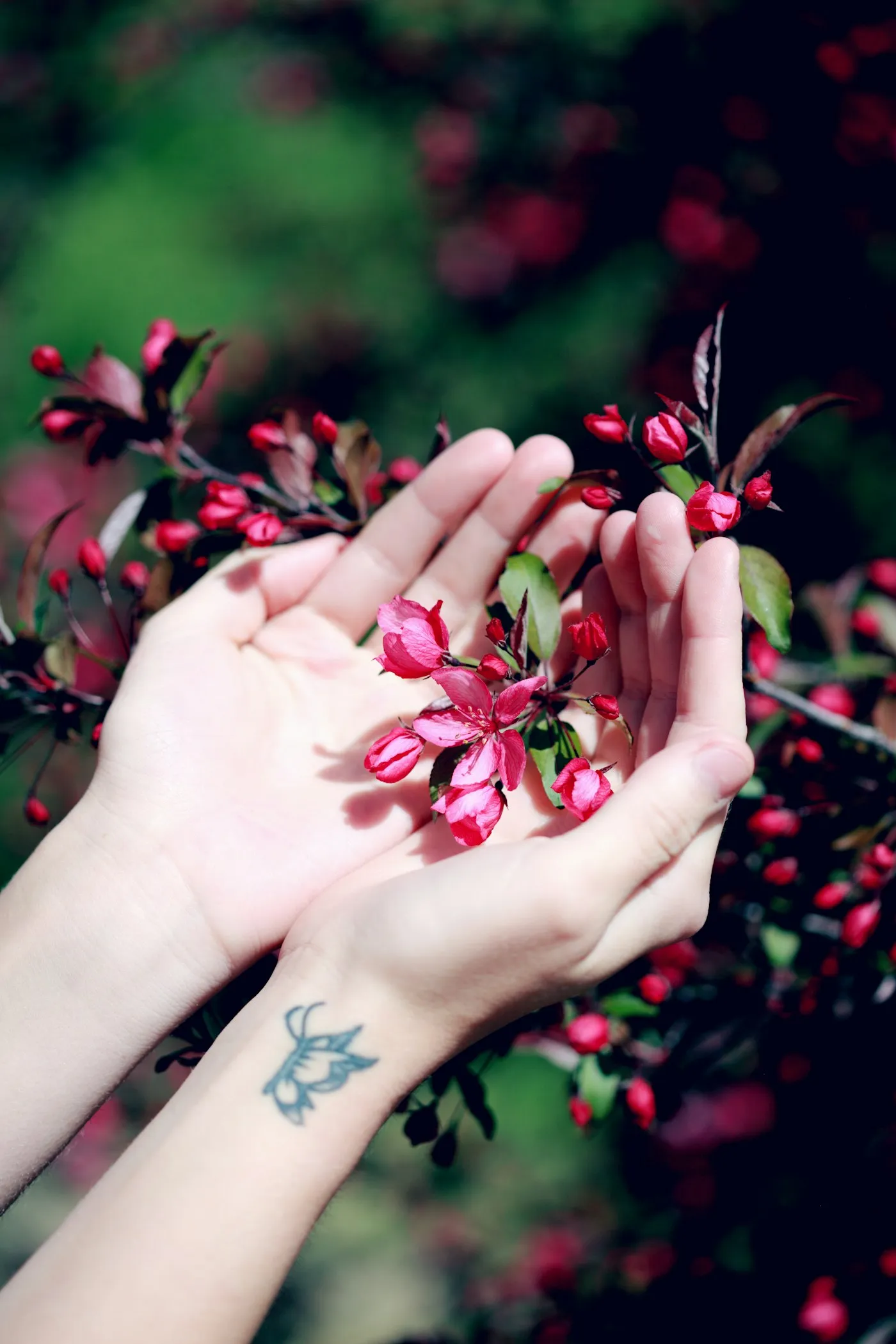
Photo: Alexander Grey on Unsplash
Why German Can Sound Beautiful
While German has a reputation for being harsh or guttural, many words and phrases can sound beautiful and melodic. Words like “Frühling” (spring), “Traum” (dream), and “Liebe” (love) showcase the softer side of the language. Additionally, German poetry and music often highlight the language’s lyrical qualities.
The Role of Context
The beauty of a language often lies in its context and usage. For instance, hearing the word “Schmetterling” in a poem or a song can evoke a sense of wonder and tranquility. Similarly, the way words are spoken can influence their perceived beauty. A gentle tone or a poetic setting can transform even the most mundane words into something enchanting.
Embracing the Language
If you’re learning German, don’t be discouraged by its complexity. Embrace the language’s unique sounds and structures. Try to find beauty in words like “Schmetterling” and appreciate how they contribute to the richness of the German language.
In conclusion, “Schmetterling” is a testament to the fact that German can indeed sound beautiful. Whether you’re admiring butterflies in Australia, considering a meaningful tattoo, or simply exploring the language, remember that beauty can be found in unexpected places. So, the next time you hear someone say “Schmetterling,” take a moment to appreciate the elegance and charm of the German language.